You have 0 items in your cart
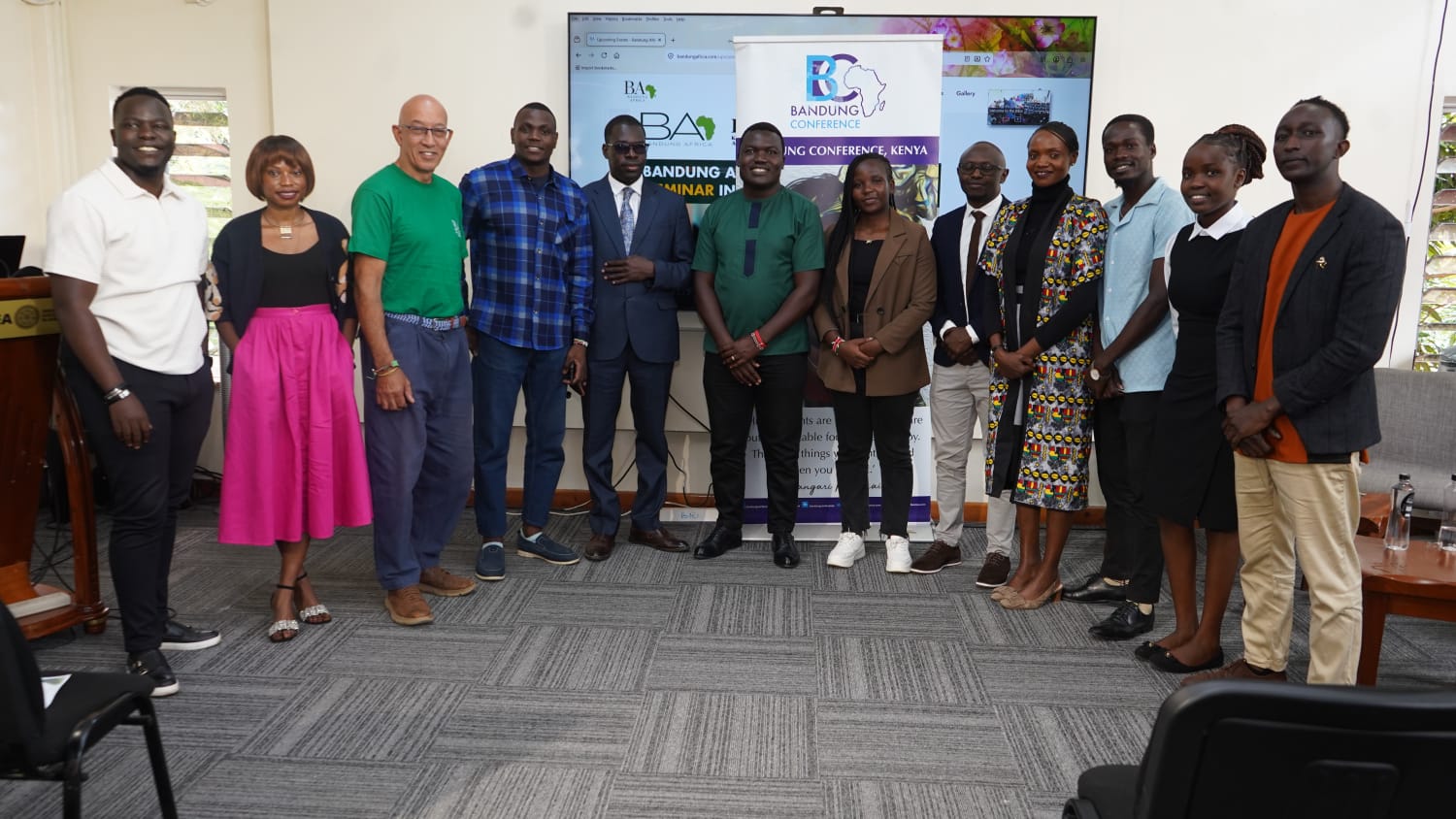
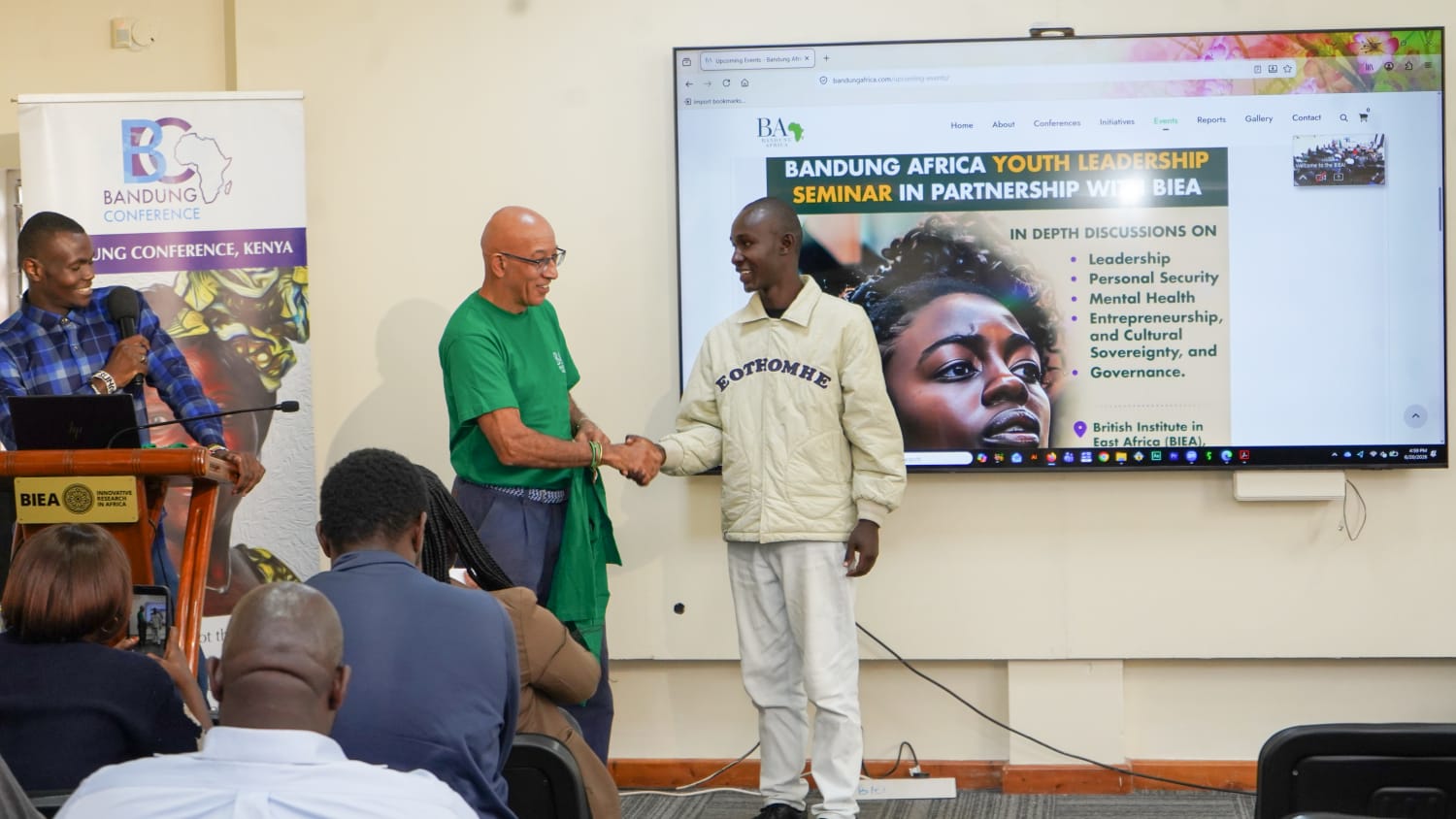
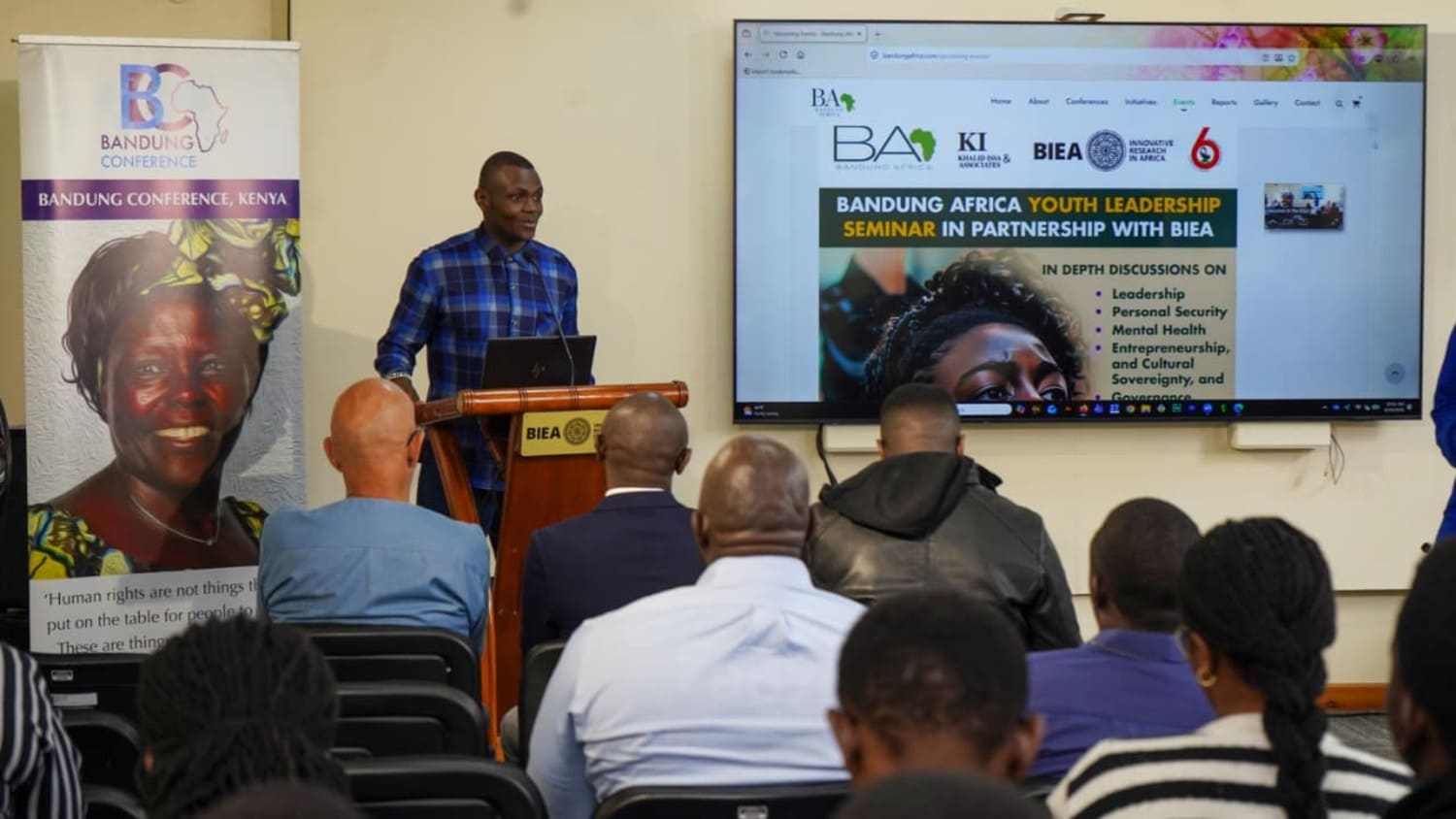
Host Organization: Bandung Africa
In Partnership With: The British Institute of East Africa (BIEA)
Date & Time: June 26, 2026 | 5:00 PM – 7:00 PM EAT
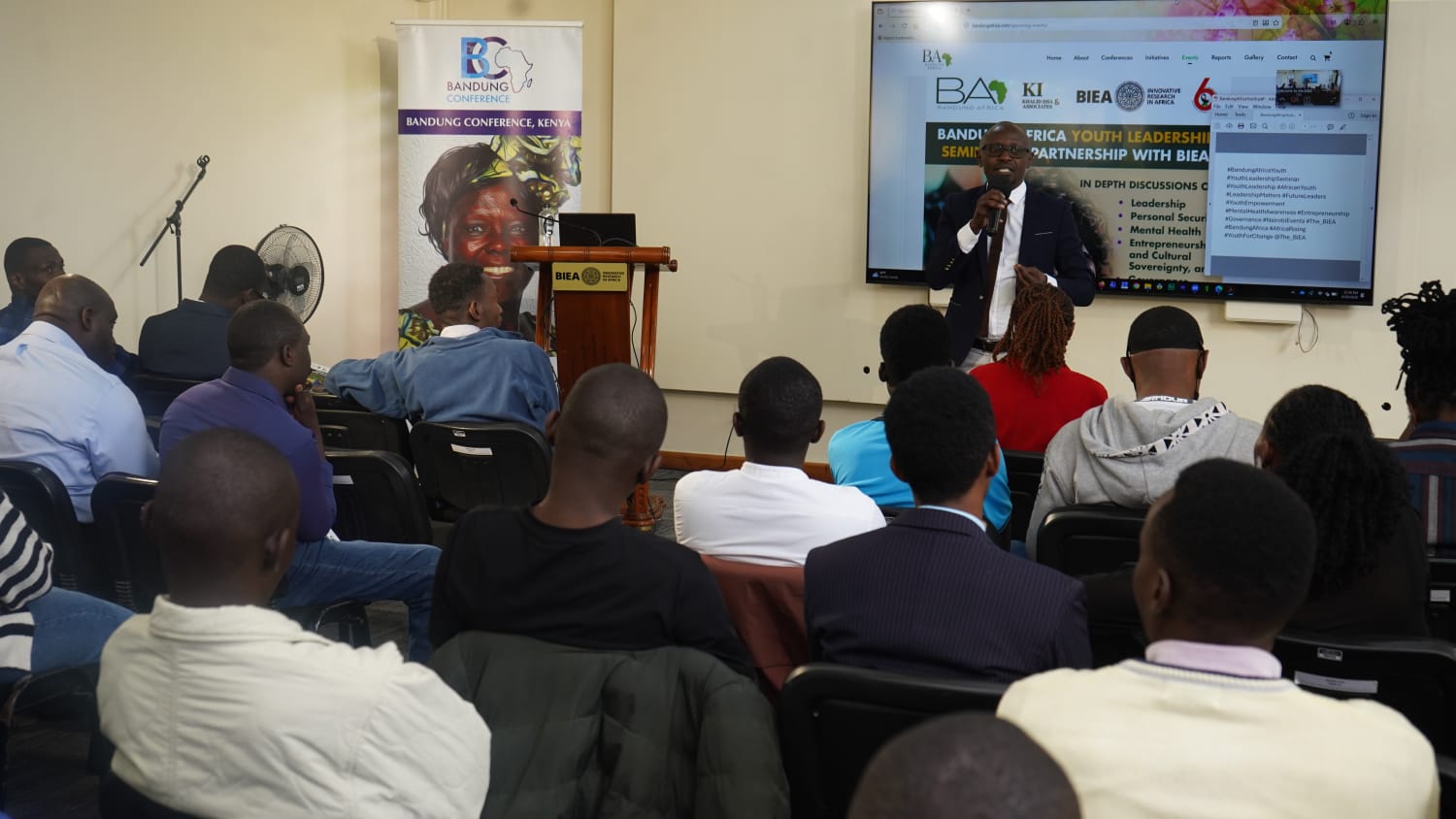
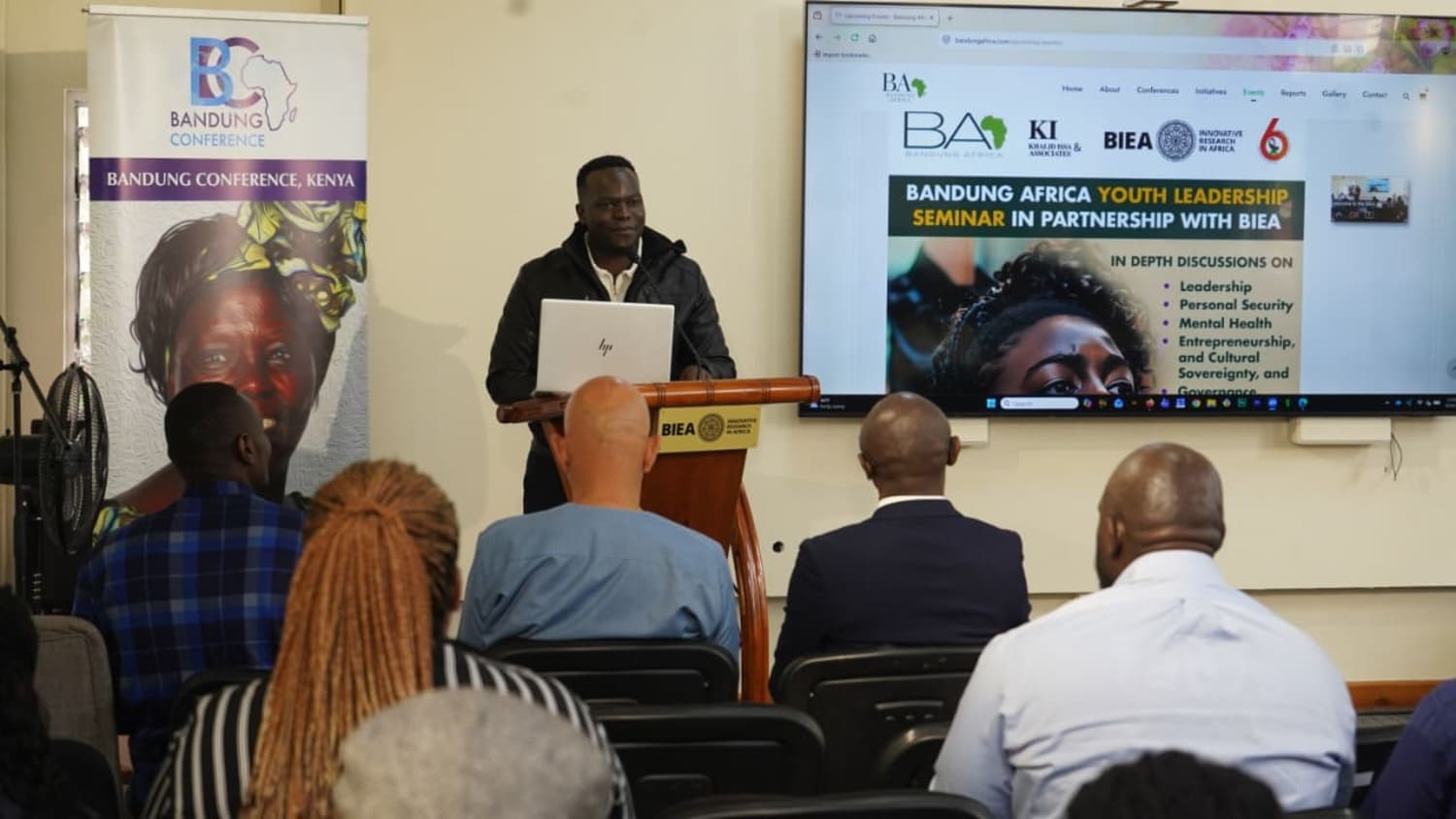
Format: Hybrid (In-person at Laikipia Road, Nairobi, and Digital Broadcast)
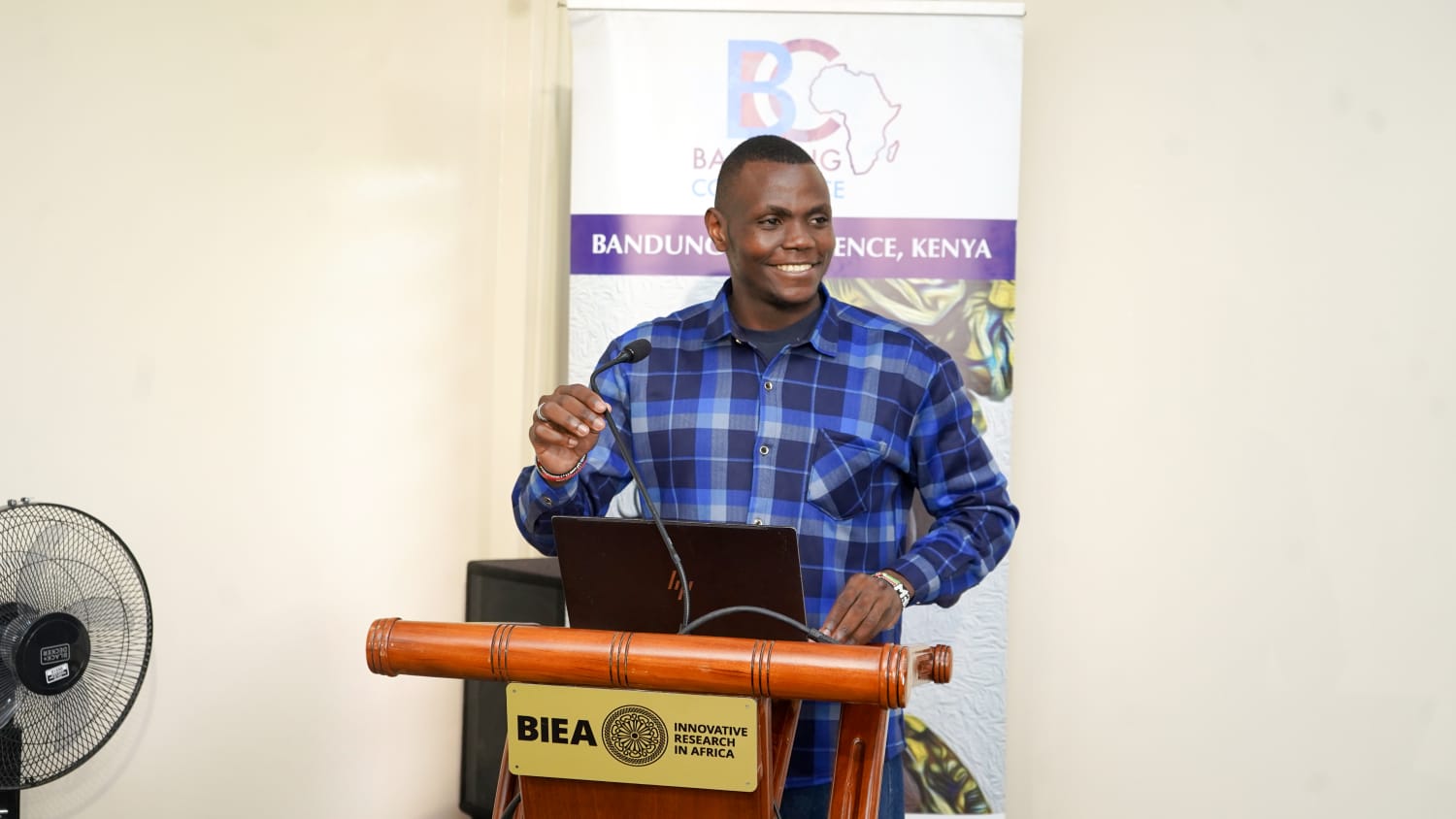
Moderator: Mathew K. Samuel
1. Executive Summary
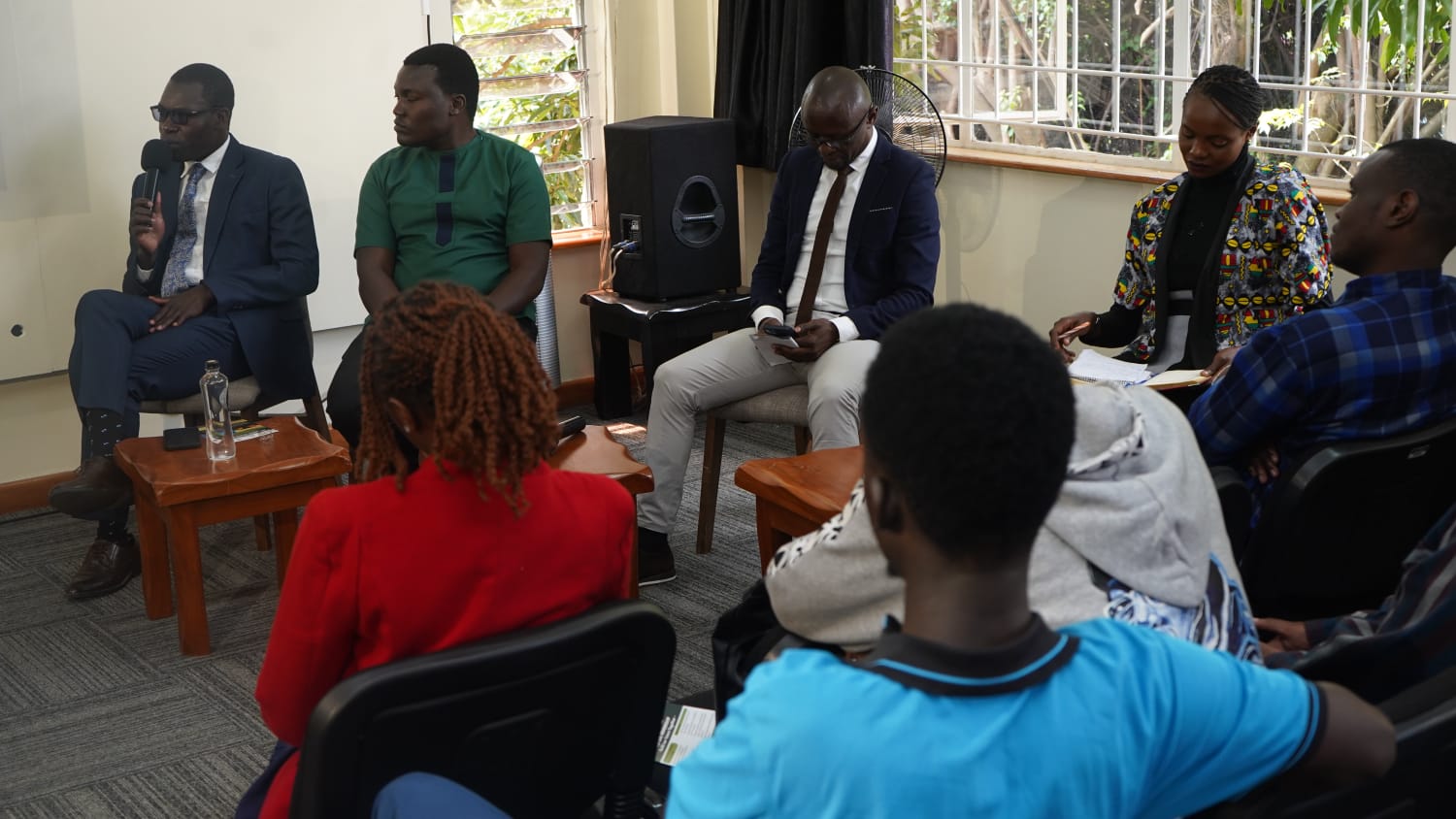
Bandung Africa, in collaboration with the British Institute of East Africa (BIEA), convened a high-level hybrid webinar addressing the critical themes of Freedom of Speech and Association in Africa. The dialogue brought together esteemed parliamentarians, legal experts, seasoned journalists, and international human rights defenders.
The panel critically examined the escalating challenges to civic space across the continent, highlighting institutional restrictions on civil society, the arbitrary detention of journalists, and the geopolitical evolution of social media platforms as mechanisms for narrative control. The forum concluded with actionable resolutions aimed at strengthening independent media, advancing strategic litigation, bolstering civic education, and leveraging youth-led grassroots mobilization to safeguard constitutional democracies.
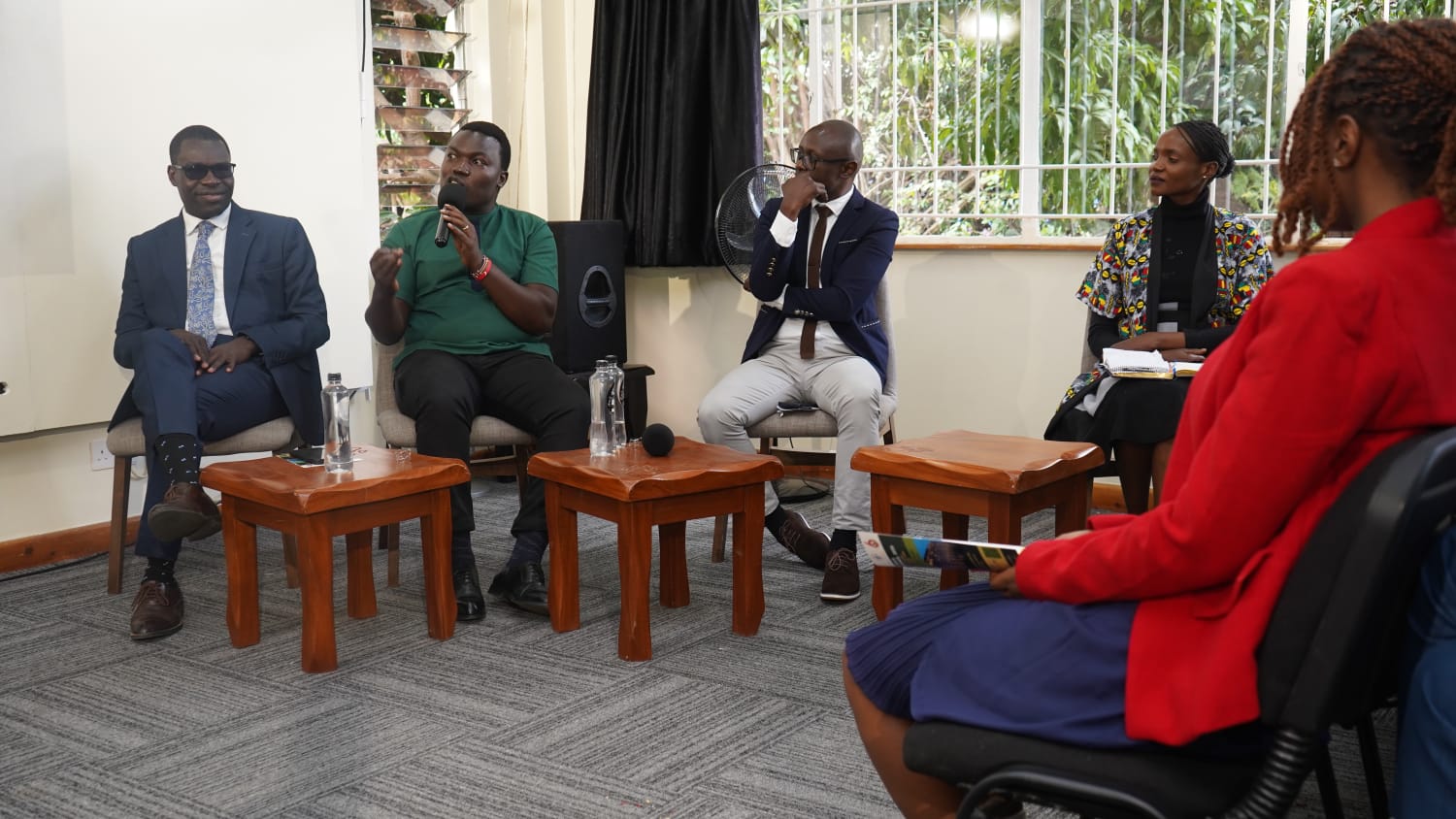
2. Distinguished Panelists & Delegations
- Hon. Okiya Omtatah: Senator, Busia County, Republic of Kenya
- Ms. Nadine White: Award-Winning Journalist and Filmmaker
- Mr. Irũngũ Houghton: Human Rights Advocate (Former Executive Director, Amnesty International Kenya)
- Ms. Ibada Ahmed: Entrepreneur and Investor
- M. Joseph Oesi: Seasoned Television Journalist, Producer, and Filmmaker
- Peter Herbert: Judge & Legal Scholar
- Nana Abena-Grace-James: Chairperson, Six Region African Diaspora Alliance (Tanzania)
3. Core Plenary Deliberations
3.1. National Security and the Preservation of Constitutional Rights
The panel analyzed the delicate equilibrium between national security objectives and fundamental human freedoms. Senator Okiya Omtatah asserted that fundamental human rights are inherent to individuals and are not privileges granted by the state. He emphasized that governments must operate strictly within the boundaries of established statutory frameworks rather than inventing new limitations under the guise of state security.
Adding to this framework, Mr. Irũngũ Houghton identified three alarming regional trends:
- The proliferation of restrictive legislation misaligned with constitutional thresholds.
- The systemic criminalization of political dissent.
- The rise in arbitrary arrests targeting journalists and peaceful demonstrators.
These developments were contextualized as part of a broader, global shift toward authoritarian governance and populist maneuvers.
3.2. Structural Integrity and Independence of the Media
The plenary explored the economic and systemic vulnerabilities threatening contemporary journalism. Discussions led by Mr. Joseph Oesi and Senator Omtatah noted that true media independence is heavily compromised by state-directed advertising machinery, commercial media ownership models, and the systematic underpayment of investigative journalists. The panel cited the global legal precedents surrounding figures like WikiLeaks founder Julian Assange to illustrate how state structures can restrict cross-border information sharing.
3.3. The Digital Commons: Social Media as a Democratic Catalyst and Regulatory Challenge
The evolution of social media from an open public forum into a commercialized digital landscape was a central point of debate. Senator Omtatah acknowledged social media as a powerful equalizer that enables citizen journalists to bypass conventional editorial filters. However, he cautioned that responsible usage is vital to preserve human dignity and prevent civic unrest, suggesting that transparent, non-partisan regulatory frameworks are necessary to prevent platforms from descending into spaces of unvented hostility.
Mr. Houghton provided an analysis of the structural challenges within modern digital spaces, categorizing them into three primary vectors:
- Automated Censorship: The rising prevalence of shadow banning.
- Algorithmic Bias: The suppression of complex or sensitive socio-political topics.
- Weaponized Disagreement: Platform designs optimized to monetize conflict and create polarized echo chambers.
3.4. Comparative Judicial and International Perspectives
Judge Peter Herbert offered historical and international context, noting that entities in power naturally seek to suppress dissenting voices. He cited recent regulatory measures in Western jurisdictions—such as restrictions placed on groups advocating for Palestinian rights—to demonstrate that threats to free expression are not unique to the African continent. Furthermore, Judge Herbert warned against the dangers of unregulated hate speech, referencing its historical role in the Rwandan genocide as a tragic example of how dehumanizing rhetoric can destabilize societies.
3.5. Fiscal Architecture and Legislative Oversight
Senator Omtatah raised critical institutional concerns regarding the structural limitations placed on legislative oversight in Kenya. He noted that provisions within the Public Finance Management Act have disproportionately consolidated fiscal authority within the executive branch via the National Treasury. To correct this imbalance and restore robust parliamentary accountability, Senator Omtatah proposed a structural constitutional redesign aimed at insulating the Treasury from direct executive control and placing it under autonomous, non-partisan civil service administration.
3.6. Strategic Frameworks for Human Rights Mobilization
To counter institutional non-compliance with judicial rulings, the panel outlined five diversified strategies for human rights defense:
- Digital Movements: Leveraging decentralized citizen journalism.
- Creative Activism: Employing art, satire, and cultural mediums to challenge power.
- Memorialization: Preserving historical truths to resist state-sponsored erasure.
- Strategic Litigation: Launching targeted legal challenges against unconstitutional censorship.
- Community Organizing: Building robust, localized advocacy networks within informal settlements.
3.7. Youth Demographics and the Lessons of Kenya’s Gen Z Movement
The webinar evaluated the strategic outcomes of Kenya’s recent youth-led civic movements. The mobilization successfully updated the democratic landscape by registering approximately 2.6 million young voters through a decentralized organizational model. To protect grassroots activists operating under such models, the panel recommended:
- Establishing a strong public counter-narrative against the criminalization of protests.
- Pushing for legislative reforms that align statutory police laws with constitutional human rights mandates.
- De-militarizing policing frameworks by aligning law enforcement equipment and uniforms with civilian standard protocols.
4. Strategic Outlook and Resolutions (Next Steps)
To ensure the actionable continuity of the webinar’s resolutions, Bandung Africa has committed to the following international and localized initiatives:
- Addis Ababa Diplomatic Convening (Q4 2026): Bandung Africa will finalize preparations within the coming week to host a discreet, high-level diplomatic forum in Addis Ababa, scheduled for November or early December, to further engage regional stakeholders.
- Institutional Resource Mobilization: Capitalizing on its formal registration as a Community Interest Company (CIC) in the United Kingdom, Bandung Africa will establish a youth-led task force dedicated to global grant acquisitions and international fundraising efforts.
- Environmental and Civic Synergy: Bandung Africa will partner with the Oloolua Forest Cultural BOMA to integrate environmental stewardship with civic awareness. This collaborative initiative will feature monthly community engagement events, including tree-planting exercises, held on the final Sunday of each month near Karen, Nairobi.
5. Formal Distribution List
For wide diplomatic circulation, policy review, and strategic partnership engagement.
5.1. Diplomatic & Multilateral Missions
- The African Union (AU) Commission – Directorate of Governance and Conflict Prevention (Addis Ababa, Ethiopia)
- The United Nations Office at Nairobi (UNON) – Office of the High Commissioner for Human Rights (OHCHR) Regional Office for East Africa
- The British High Commission, Nairobi – Political and Human Rights Desk (Co-host Nation Liaison)
- The Embassy of the Federal Democratic Republic of Ethiopia, Nairobi – Briefing Desk for the upcoming Addis Ababa Convening
- The Delegation of the European Union to the Republic of Kenya – Governance and Civil Society Section
5.2. Civil Society Partners & Non-Governmental Organizations
- Amnesty International Kenya – Civic Space Protection Division
- The Law Society of Kenya (LSK) – Constitutional Affairs and Human Rights Committee
- The Kenya Human Rights Commission (KHRC) – Democratic Governance Program
- Six Region African Diaspora Alliance (SRADA) – Tanzania & Regional Secretariats
- Ololuwa Forest Cultural BOMA – Community Engagement and Environmental Rights Liaison
Appendix: Institutional Profiles
Appendix A: Bandung Africa
Bandung Africa is a registered Community Interest Company (CIC) based out of the United Kingdom, operating with a expansive mandate across the African continent and its global diaspora. Drawing intellectual inspiration from the historic 1955 Bandung Conference, the organization serves as an independent think-tank, diplomatic forum, and advocacy hub. It focuses on advancing South-South cooperation, protecting fundamental human rights, and fostering robust democratic systems through high-level dialogues, youth political mobilization, and transnational strategic litigation.
Appendix B: The British Institute of East Africa (BIEA)
The British Institute of East Africa (BIEA) is a preeminent international research institute based in Nairobi, Kenya. For decades, the BIEA has facilitated academic excellence, social science research, and humanities discourse across East Africa and the wider region. By offering a neutral, highly reputable academic infrastructure, the BIEA actively partners with civil society organizations, global universities, and policy institutes to host critical discussions on governance, history, legal frameworks, and socio-economic transformation.
6. Diplomatic Disclaimer
The views and opinions expressed in this report reflect the synthesis of contributions from the individual panelists and participating delegates. They are intended for educational and policy-advocacy purposes to foster democratic governance and the rule of law across the African continent.
Compiled by,
Mathew K. Samuel
Diplomatic Liaison Officer
Bandung Africa