You have 0 items in your cart
Date of Event: June 20, 2026
Venue: The British Institute in Eastern Africa (BIEA), Nairobi, Kenya
Format: Hybrid (Physical Plenary & International Digital Delegation)
Total Attendance: 300+ Registered Delegates
Theme: Bridging the Bandung Spirit and AU Agenda 2063: Institutionalizing Youth Governance, Cultural Sovereignty, and Pan-African Diplomacy
I. INTRODUCTION & CONTEXTUAL FRAMEWORK
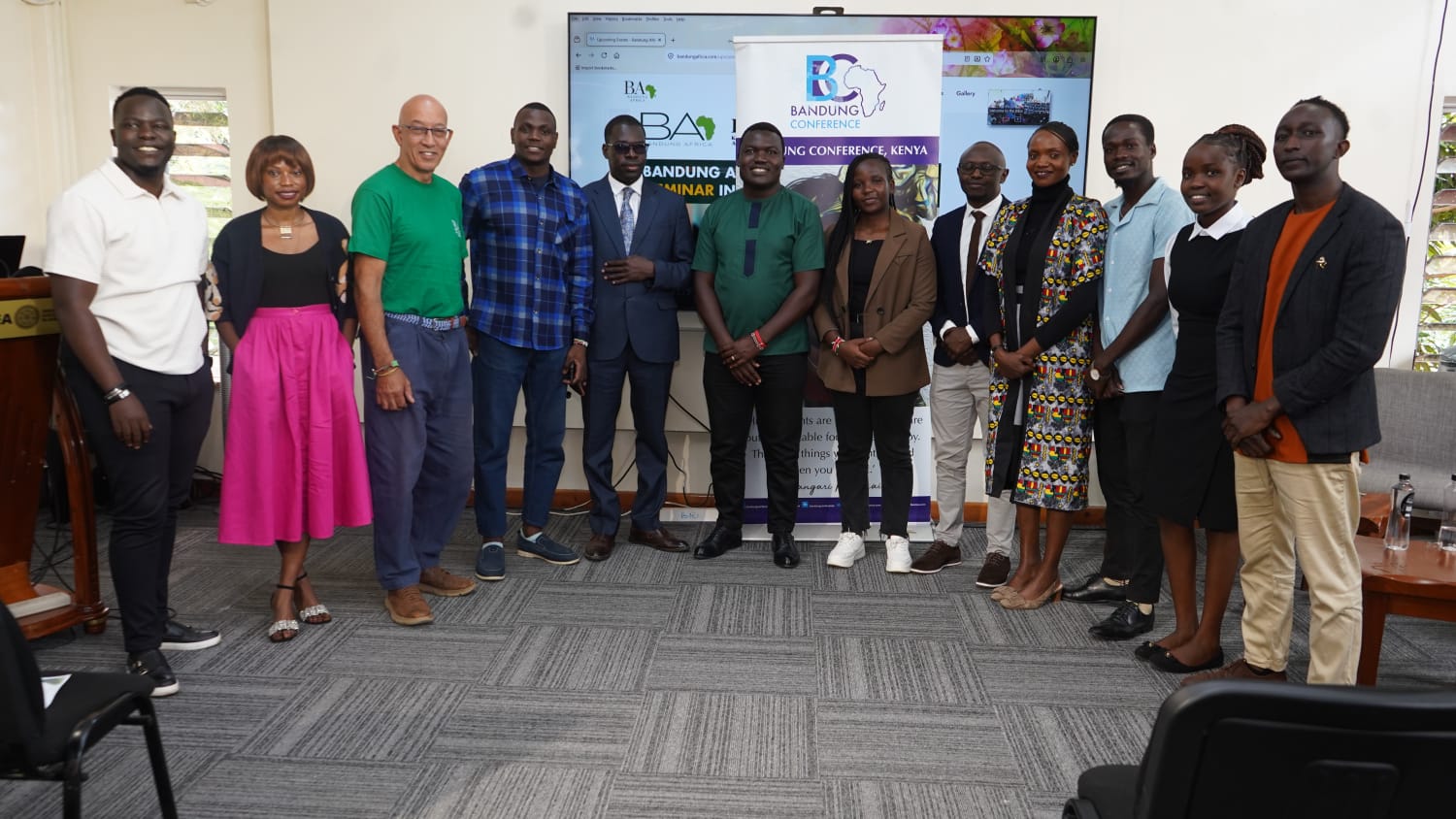
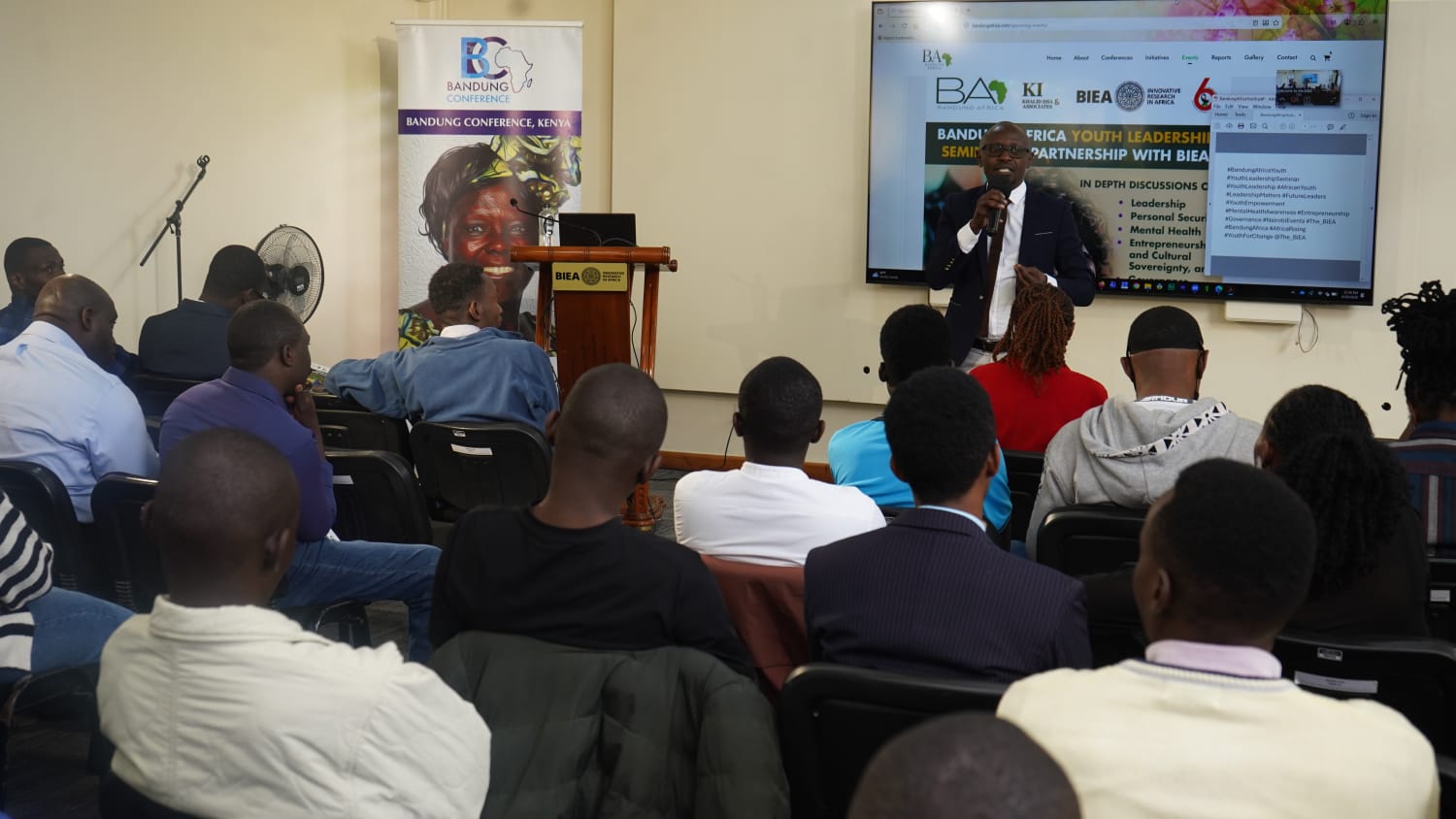
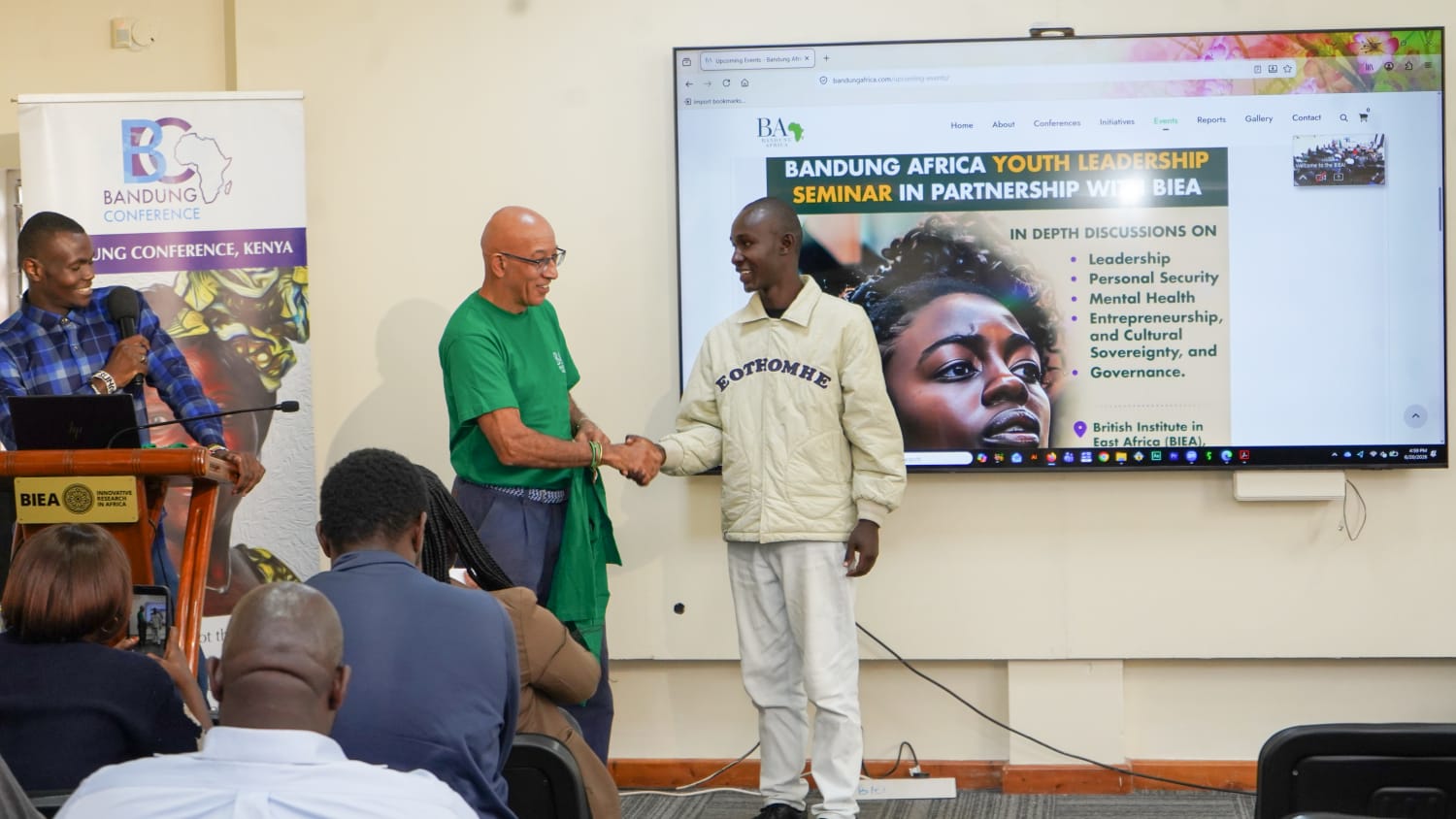
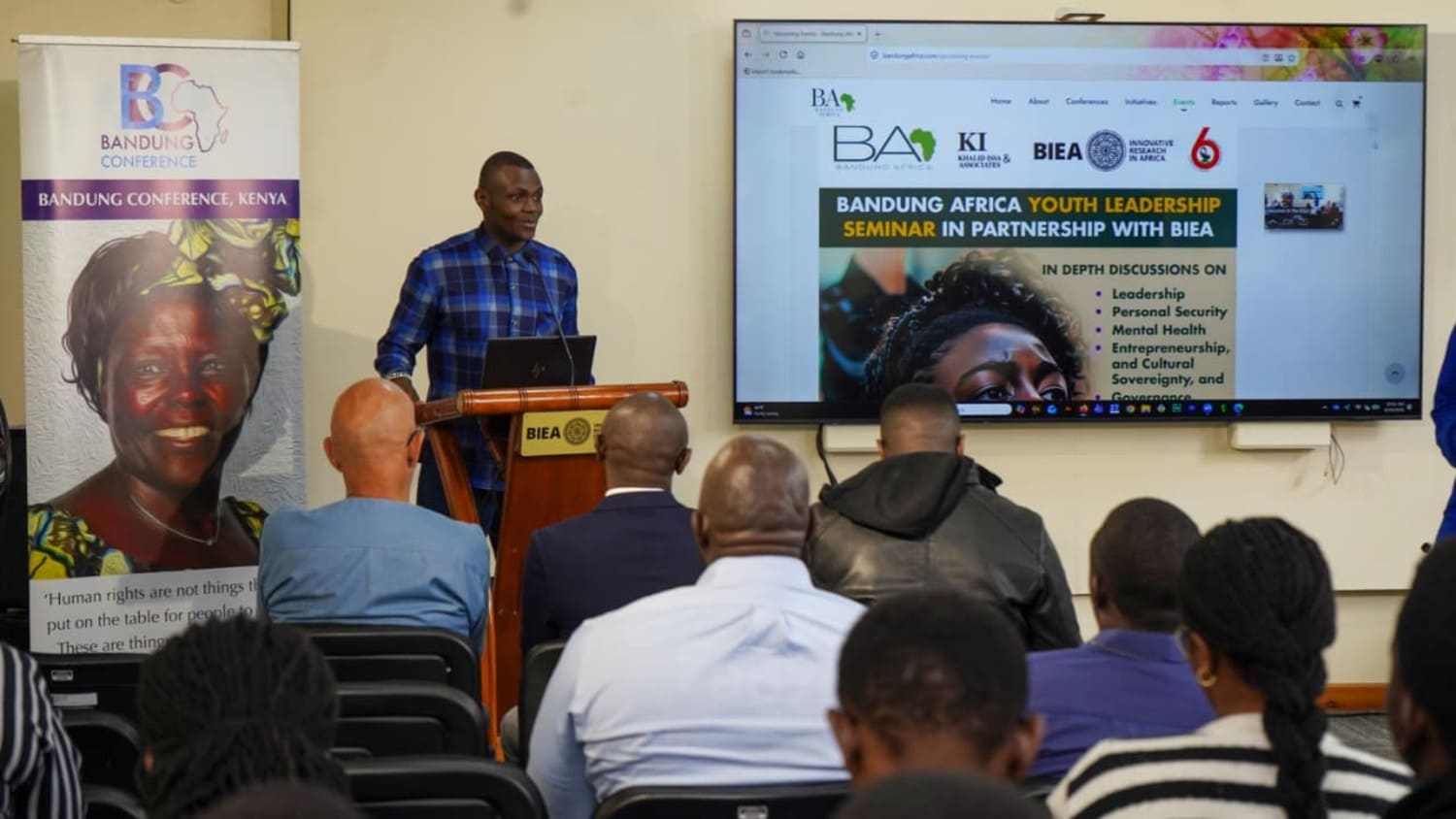
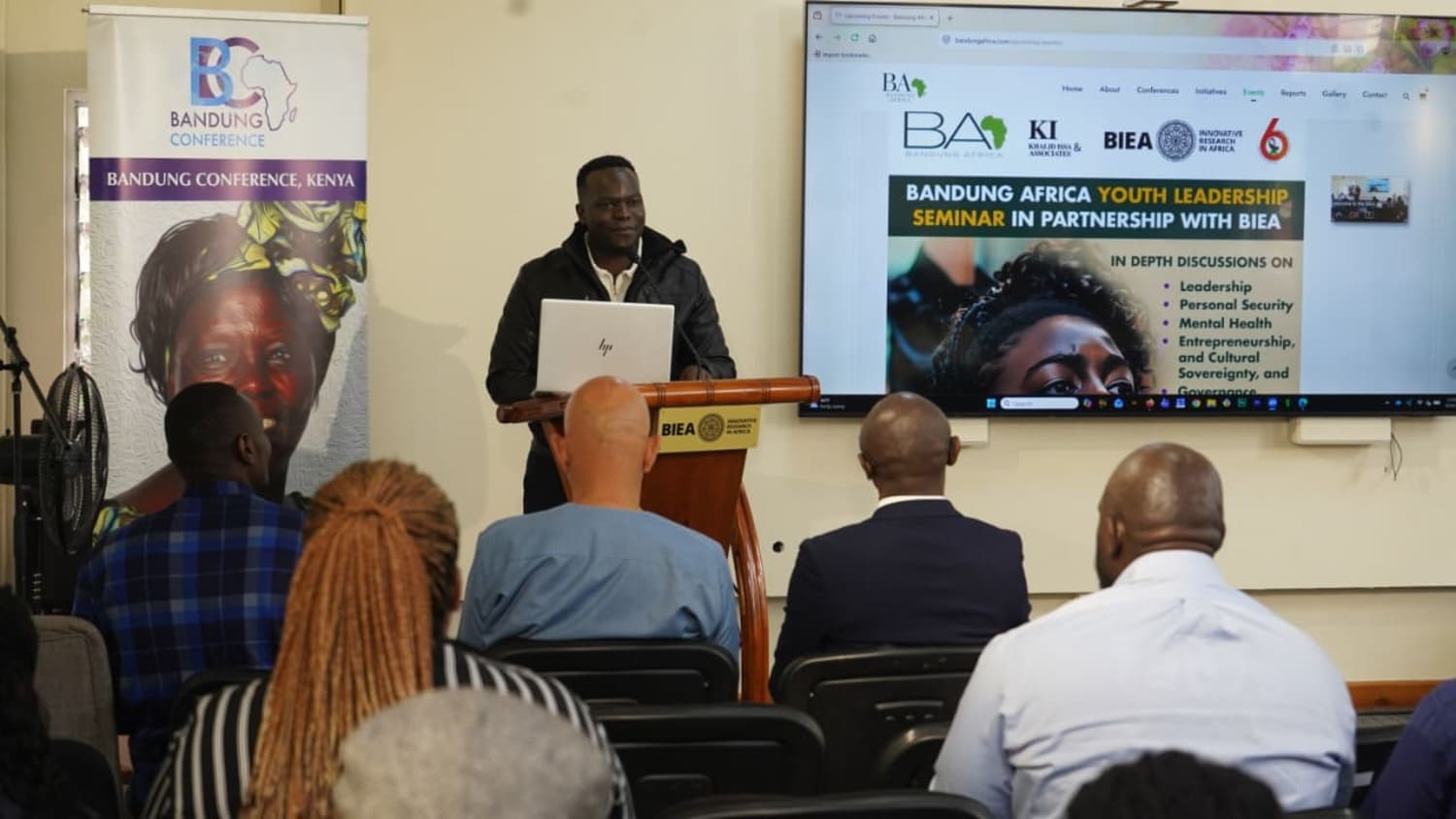
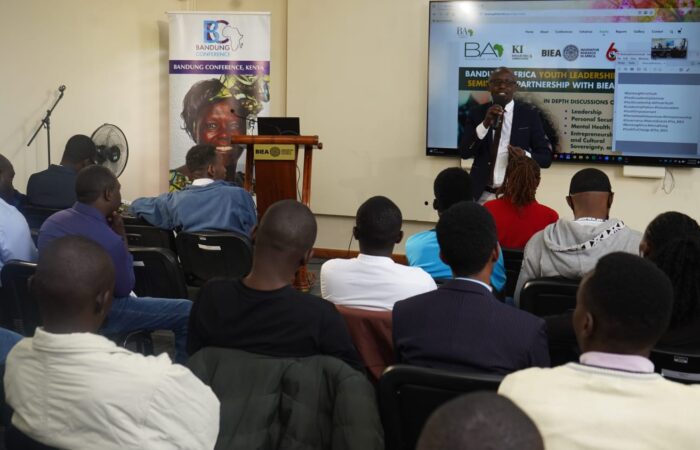
On June 20, 2026, the Bandung Africa Secretariat successfully convened its high-level Youth Leadership Seminar at the British Institute in Eastern Africa (BIEA) in Nairobi, Kenya. Serving as a foundational preparatory mechanism ahead of the highly anticipated Addis Ababa Conference 2026, the seminar established an inclusive, high-density diplomatic space.
The convention brought together over 300 young leaders, legal practitioners, scholars, and civil society activists operating across continental borders and the global diaspora. The primary mandate was to equip the next generation of Pan-African vanguard leaders with the tools necessary to champion democratic accountability, sustainable development, and cultural sovereignty.
II. EXECUTIVE OPENING PLENARY & DIPLOMATIC OVERVIEW
The seminar commenced with an official opening ceremony, grounded in collective reflection and strategic scene-setting:
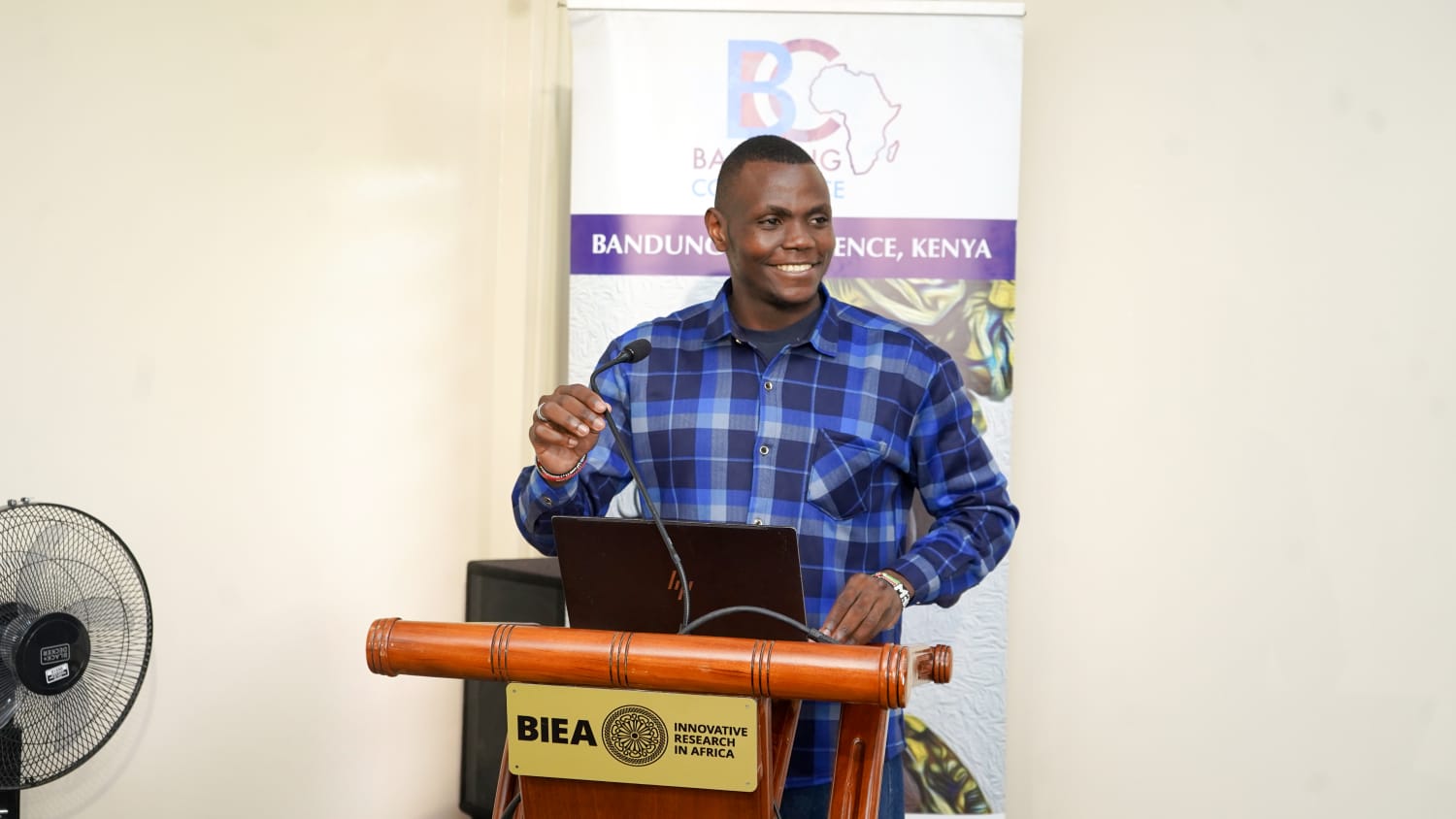
- Secretariat Convening Address: The seminar was officially called to order by Mathew K. Samuel (Diplomatic Liaison Officer), who framed the day’s deliberations around the necessity of active youth agency in contemporary geopolitical landscapes.
- Executive Keynote: Judge D. Peter Herbert OBE (Co-Chair, Bandung Africa) provided the overarching diplomatic brief. He illuminated the core mission of Bandung Africa—re-energizing the historic 1955 Bandung principles to engineer safe, intellectually rigorous spaces for youth dialogue. He further leveraged the platform to brief the delegation on the impending Freedom of Speech Seminar (scheduled for June 26th), the upcoming Oloolua Forest Environmental Summit, and the critical road mapping for Addis Ababa.
- Plenary Orientation: Secretariat member Zoe formally introduced the morning’s main thematic presenter, setting the stage for deep analytical focus on continental governance.
III. THEMATIC PLENARY INSIGHTS
1. Youth, Democratic Infrastructure, and Governance Systems
The first major session featured a comprehensive presentation by Israel Lugadiru, exploring the intersection of youth demographic power and the evolution of African governance:
- Redefining Democracy: The assembly rejected narrow, Western-centric definitions of democracy that limit civic duty to periodic voting. The panel established that authentic democracy requires continuous public participation, institutional transparency, total inclusivity, and economic justice.
- Digital Mobilization and Accountability: Discussions spotlighted how young Africans are leveraging advanced digital ecosystems to organize organically, monitor electoral integrity, and hold state actors accountable—drawing concrete parallels to youth-led movements in Kenya demanding transparent fiscal management.
- Systemic Restructuring: Delegates explicitly noted the acute underrepresentation of youth within formal legislative structures, critiquing the structural age gaps between aging legislative bodies and Africa’s predominantly young demographic. The consensus focused on moving past mere external criticism toward the active building of resilient, value-driven African institutions capable of attracting global capital.
2. Education, Frontier Technology, and Global Competitiveness
The plenary shifted toward evaluating how Africa’s educational and economic systems must adapt to upcoming global transformations:
- Curricular Evolution: Speakers demanded immediate, far-reaching educational reforms designed to dismantle obsolete colonial frameworks.
- Frontier Sectors: The delegation outlined strategic pathways to systematically prepare African youth for leadership in next-generation fields, explicitly targeting Nuclear Fusion, Nanotechnology, and Artificial Intelligence (AI).
- Collective Sovereignty: Panelists analyzed the impact of shifting global macroeconomics on African governance, emphasizing that technical capacity and fiscal autonomy are vital to mitigating external geopolitical pressures.
3. Leadership, Civic Duty, and Community Empowerment
A focused panel featuring contributions from grassroots leaders Harban and Lean dissected the internal mechanics of regional leadership:
- Deconstructing Power: The session corrected the widespread misconception that leadership is merely an exercise in power acquisition, redefining it instead as a mandate for absolute public accountability and community service.
- Grassroots Disparity: The panel scrutinized the high financial barriers to entry for political leadership in Kenya, specifically evaluating complex administrative challenges in jurisdictions like Busia County.
- Public Literacy: The assembly resolved that robust civic education must be institutionalized at every level of society to build an informed public capable of enforcing state accountability.
IV. CULTURAL SOVEREIGNTY, IDENTITY, AND ECO-PRESERVATION
1. Keynote on Cultural Entrepreneurship
Titi Nagwala delivered a definitive keynote address focused on cultural sovereignty as an economic engine:
- De-marginalizing Heritage: The address fiercely refuted the Eurocentric notion that indigenous African culture is archaic or backward, proving instead that cultural identity is a powerful catalyst for innovation, dignity, and wealth creation.
- Resource Literacy: Utilizing personal narratives from Busia, the keynote demonstrated that high-impact entrepreneurship does not require massive capital, but rather the creative monetization and value-addition of localized, environmental resources.
- Linguistic Preservation: The session called for the urgent preservation of indigenous African languages and storytelling traditions to counter Western cultural assimilation and decolonize institutional theology and governance.
2. Multi-Sectoral Panel on Heritage and Environment
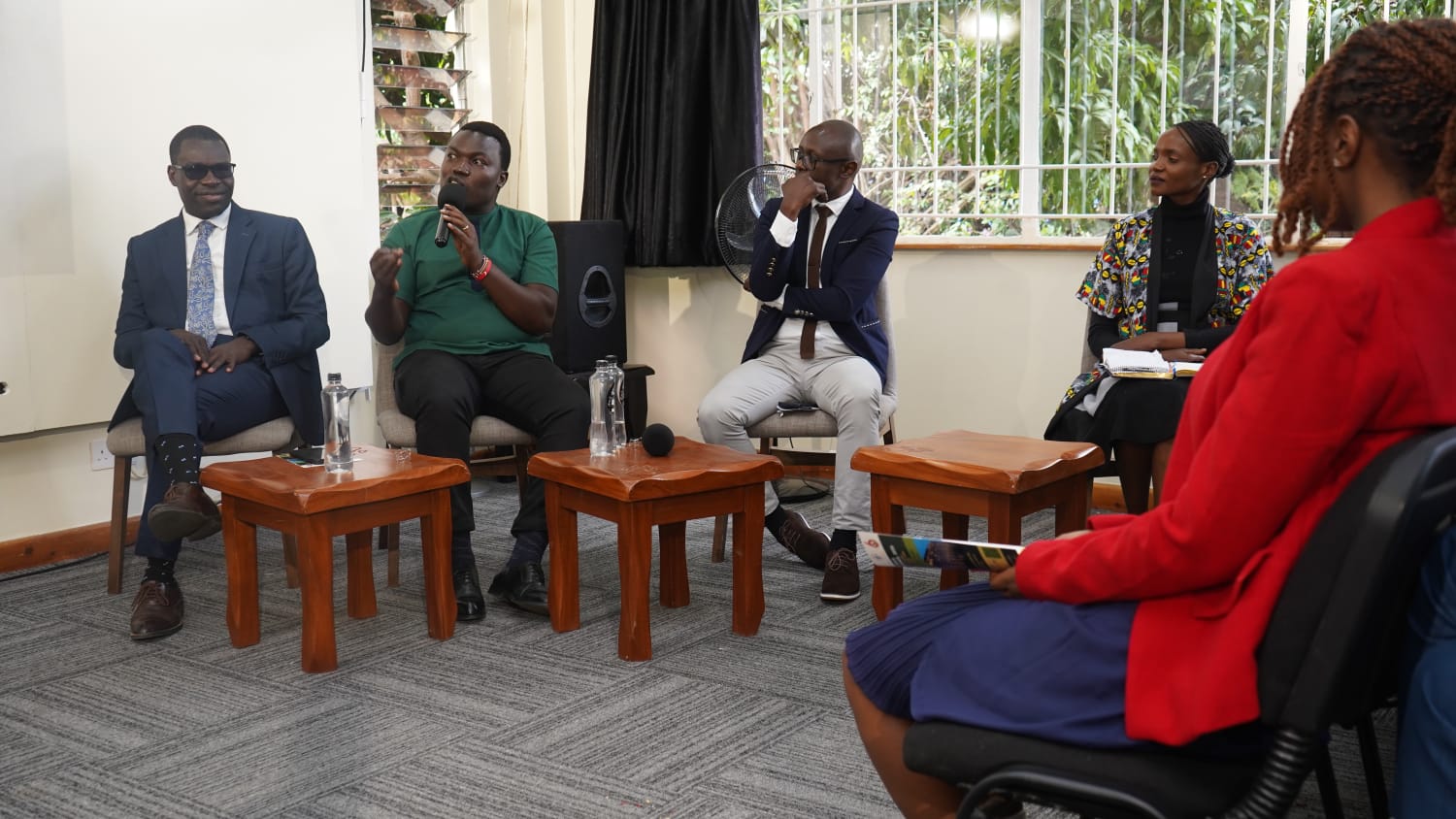
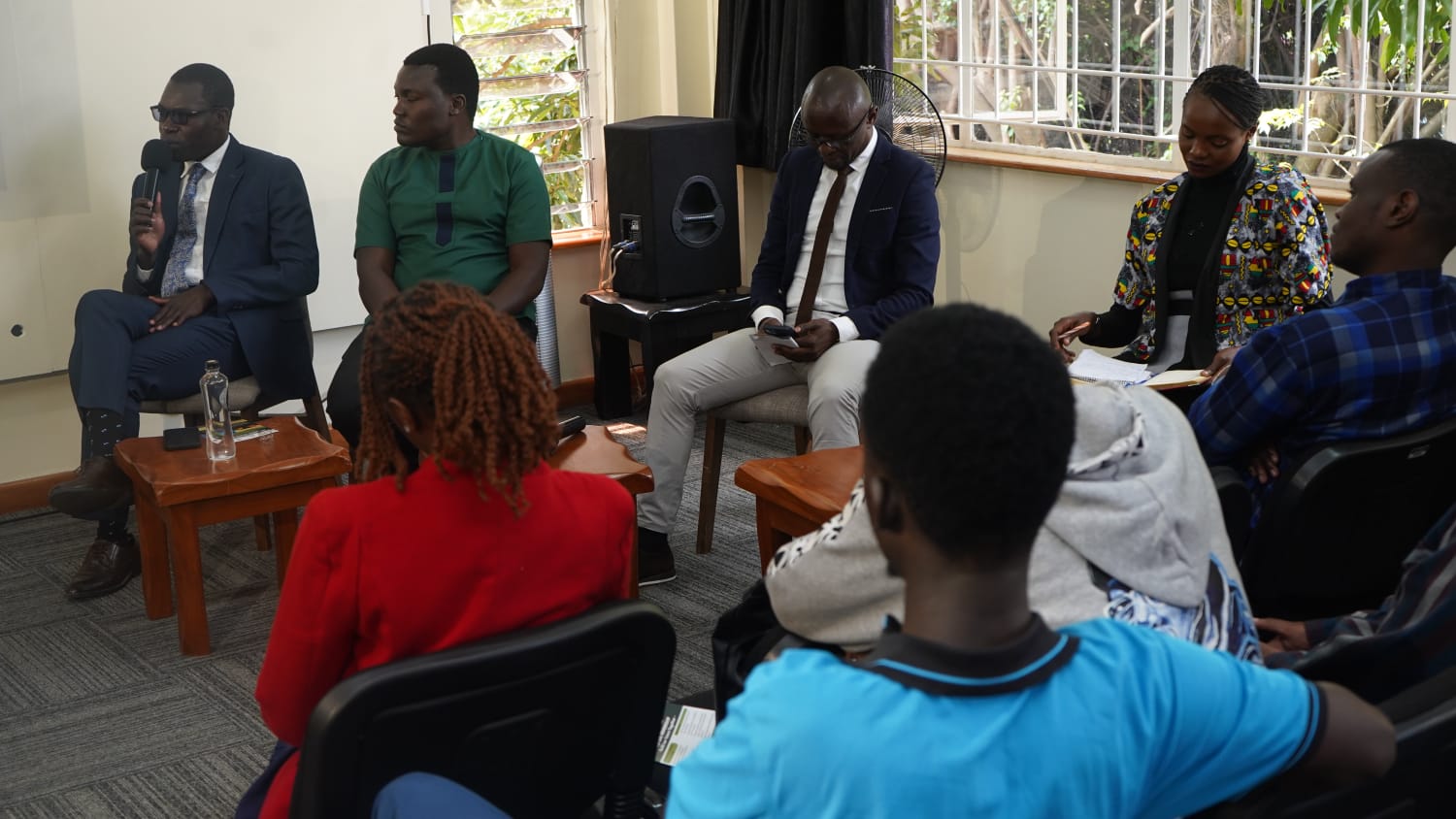
The discourse was further enriched by a specialized panel featuring Titi Nagwalla ( Media personality, Broadcaster) Odhiambo Obat (CEO, Chanuka),
Advocate Silas Akiro (Managing Director, Akiro Advocates & Associates), and Vanessa Ndavi (Culturepreneur and Secretary, Oloolua Forest BOMA) Moderated by Wanjiru Thuku:
- Contextualizing Knowledge: The Chanuka leadership emphasized the absolute necessity of filtering global data through a distinctly African cultural lens.
- Legal Protections: Akiro Advocates & Associates mapped out legal strategies to safeguard youth civil liberties and protect intellectual property within the creative economy.
- Ecological Stewardship: Vanessa Ndavi outlined the structural integration of environmental conservation with cultural pride, highlighting the development of the Cultural BOMA project within the Oloolua Forest as a premier model for sustainable, community-led eco-tourism.
3. Cultural Diplomacy through Arts
The seminar integrated the creative arts as a key pillar of diplomatic outreach. Award-winning film director and musician Edward Soil Kamamchanga presented an expert showcase of original, socially conscious music. He emphasized the strategic need to refine, elevate, and export authentic Kenyan and African music globally by supporting artists who retain deep cultural roots and stylistic authenticity.
V. MENTAL HEALTH AND CORPORATE WELL-BEING
Recognizing that sustainable leadership requires psychological resilience, the seminar dedicated a substantive section to youth mental health:
- Institutional Frameworks: A specialized panel addressed the creation of healthy workplace environments for young professionals, focusing on mitigating corporate burnout, designing sustainable workloads, and challenging counterproductive corporate hierarchies.
- Synergized Action Working Groups: Five distinct youth working groups presented operational frameworks targeting:
- Dismantling societal mental health stigma.
- Institutionalizing psychological support systems within universities and colleges.
- Managing digital well-being in an increasingly hyper-connected society.
- Lobbying for state-funded mental health infrastructure.
- Mobilizing peer-to-peer mentorship networks.
International Alignment: Xavier L’Amour provided an expert international brief on mental health advocacy frameworks utilized in the United Kingdom, offering comparative methodologies for adaptation by continental organizations.
VI. RESOLUTIONS & STRATEGIC ROADMAP (NEXT STEPS)
To translate the seminar’s deliberations into concrete, measurable actions, the Secretariat locked in the following binding directives:
[June 20 Seminar Resolutions]
├── Institutional Alliances
│ ├── PAYCON Framework (Joint Conference Integration)
│ └── 6 Region TZ & Nana (Right to Return / Tz School Adoption)
├── Digital & Grassroots Advocacy
│ ├── Unified Social Campaigns (#BandungSpirit2026)
│ └── Active Community Expansion via Instagram Ecosystem
└── Statutory Milestones
├── High-Level Policy Webinar (June 26, 2026)
├── Oloolua Forest Conservation Summit (June 28, 2026)
└── Youth Leadership Plenary (Addis Ababa – Nov 21, 2026)
1. Immediate Statutory Engagements
- High-Level Policy Webinar (June 26, 2026): The Bandung Africa Team will immediately finalize the panelist rosters and distribute access credentials for the upcoming international digital seminar focused on Freedom of Speech.
- Oloolua Forest Conservation Summit (June 28, 2026): The Secretariat will oversee logistical deployment, delegate registration, and site protocols for the environmental initiative on the 28th, anchoring the partnerships built with the Oloolua BOMA Forest Group.
2. Institutional Alliances & Transatlantic Integration
- The Right to Return Initiative: Bandung Africa will solidify its institutional partnership with Nana and 6 Region TZ, coordinating formal legal and logistics frameworks to support diaspora relocation, repatriation, and the adoption of schools in the Republic of Tanzania.
- PAYCON Synchronization: Building on the signed Memorandum of Understanding (MOU), the Secretariat will integrate policy resolutions from this seminar into the joint planning pipeline for both organizations’ upcoming international youth assemblies.
3. Membership Institutionalization & Digital Advocacy
- Global Registration Drive: The Registration Team, led by Mathew K. Samuel, is tasked with resolving all digital registration bottlenecks to seamlessly transition all 300+ seminar attendees into official, card-carrying members of Bandung Africa.
- Digital Footprint Amplification: All delegates are mandated to utilize designated organizational hashtags and actively engage with Bandung Africa’s official digital media platforms (specifically Instagram) to sustain the momentum of global Pan-African dialogue and qualify for institutional performance awards.
VII. CONCLUSION
The Bandung Africa Youth Leadership Seminar at the BIEA successfully executed its diplomatic mandate. By intersecting complex governance theory with raw creative expression, environmental action, and mental health advocacy, the seminar provided a comprehensive framework for youth leadership. The insights collected from these 300+ young delegates have been officially synthesized and will serve as the baseline youth policy document during the historic Addis Ababa Conference scheduled for November 19–21, 2026.
Respectfully Compiled and Submitted by:
Mathew K. Samuel
Diplomatic Liaison Officer
Bandung Africa organization
mathewks@bandungafrica.com
+254745149075
www.bandungafrica.com